Evidence level: low to moderate
Reduces depression: SAMe, 5-HTP, tryptophan, psychedelics
How long it takes to work: differs across supplements, psychedelics from one day onwards, SAMe two to 12 weeks, NAC 12 to 24 weeks, 5-HTP seven to 56 days
A bit more information: scientists have investigated a number of naturally occurring substances for their antidepressant properties. This search seems to have been motivated in part by the side effects mainstream antidepressants bring with them. I review some of the most researched supplements below, and note which are most effective
SAMe: SAMe is a sulphur-containing compound that may affect regulation of neurotransmitters, among other bodily functions. It has been found to be low in people with Major Depressive Disorder.i SAMe had more impact on depression than a placebo in the majority of studies done to date (three out of five). A number of studies have found it is as effective as mainstream antidepressants, both tricyclics and SSRIs.ii But most studies found SAMe combined with a mainstream antidepressant didn’t have any impact than the med on its own.iii All of the reviews commented on the low quality of the research, meaning I get to say that thing researchers love to say – more research is needed!iv For those interested in trying it, the dose used is 200 to 3200mg and it takes two to 12 weeks to have an impact.v SAMe also appears more effective when injected into a vein or muscle rather than taken orally.vi Side effects are mild and transient, although no fewer people stop taking SAMe than mainstream meds.vii
NAC: N-acetylcysteine (NAC) is an antioxidant. It has mainly been studied when taken together with antidepressants. The impact on depression is small.viii It is well tolerated when taken orally in doses of 200 to 2400mg per day, with the main side effect being stomach upsets.ix But it has not shown the impact of other supplements like 5-HTP or the psychedelics. To put this in context, 5-HTP has shown three to five times the impact on depression that NAC has, and the psychedelics have shown two to three times the impact.
Inositol: inositol is a polymer of glucose that has been found to be low in people with depression.x The very few (seven up to 2014) studies that have been done on it find it has no significant impact on depression, although it is well tolerated.xi It is far out-performed by other supplements such as fish oil, Saint Johns Wort, vitamins and zinc, 5-HTP or the psychedelics (see below for more on the latter two).
5-HTP: 5-htp is a serotonin precursor, that is, something that can be converted by the brain into the neurotransmitter serotonin. It is derived from tryptophan but has an advantage over tryptophan in that it can easily cross the blood-brain barrier.xii Like inositol, it has had very few studies carried out on it of good quality. To give you a sense of what that means, a review of research from 1966 to 2000 found 108 studies of 5-HTP and tryptophan, of which only ONE on 5-HTP was considered good enough to review! This study showed 5-HTP did better than a placebo against depression.xiii Luckily by 2020 there were 13 studies good enough to analyze. Their analysis showed that 5-htp had a very large impact on depression, much greater than mainstream antidepressants. It also found something very rare – in some studies 80 to 90% of the people who took it went into remission – that is, didn’t show up on tests as depressed any more.xiv The only other time I have seen this result is with one study of the Mediterranean diet. Psychiatrist Dr Tracey Marks says the downside of 5-HTP is that is has a very short half-life, which means you need to take it three to four times a day. The dosage used in the studies with the highest recovery rates from depression was 150 to 300mg per day (in total – NOT three to four doses of 150 to 300mg per day. You can take this much but the study that went this high showed quite low recovery rates, and the side effects would be even worse).xv It can also have some nasty side effects, including severe nausea and even vomiting.
Tryptophan: like 5-HTP, tryptophan is serotonin precursor. But it has a harder time crossing the blood-brain barrier than 5-HTP because it has to hitch a ride with an L-type amino acid transporter, and has a lot of competition for doing so. Once in the brain it is converted into 5-HTPxvi Again, very few studies of good quality have been carried out on it. One study in a 2002 review found it did better than a placebo in reducing depression.xvii But the very low numbers of people involved in trials means it is not possible to draw firm conclusions.xviii A 2013 review concluded tryptophan was at level 3 for evidence of effectiveness in depression, which means the quality of evidence is low.xix The most recent review in 2016 concluded that results were mixed, but there were no side effects.xx Overall, 5-HTP seems a better option than tryptophan.
Psychedelic drugs (psilocybin/LSD/ayahuasca): as with other drugs in this list, very few studies have been carried out on the psychedelics – a recent review could come up with only six. Overall, they found a positive impact.xxi An analysis of three studies found a large impact on depression and no serious side effects.xxii A larger analysis of eight studies found a large impact on depression from day one for five studies, which was sustained at six months for four studies. They noted transient increases in blood pressure, heart rate and other bodily functions but no large or lasting side effects.xxiii As for dosage, one study found that a high dose of psilocybin (22-30mg per 70kg of body weight) had more impact at both five to six weeks and six months after being taken than a low dose. It also found that having a mystical experience after taking it explained part of the impact on depression.xxiv So psychedelics work, although it would be good to have more studies. The big issues are getting strains that are pure, accurately measuring dosage, getting expert supervision for taking them and – the small matter of them being illegal drugs! But apart from that, no problems.
The best and the rest: based on the evidence, this list starts with the best – that is, the most effective – and goes through to the least effective.
- Biggest bang goes to 5-HTP although this is based on very few studies. It also resulted in remission – that is, a reduction of depression to non-clinical levels – in the majority of people who took it, something that is quite rare in the literature. There are issues with how often you have to take it and nasty side effects but on the plus side – it’s legal!
- Coming in second, but only just, are the psychedelics, which also showed a large impact on depression. Again this was for a small group of studies, smaller than 5-HTP. Clinically significant reductions in depression were seen in 80% of people who took psilocybin six months after they took it in one study. There are practical issues with getting pure samples, correct dosage and good supervision, not to mention being illegal drugs but as far as effectiveness goes, they’re pretty good.
- SAMe is as effective as standard antidepressants and more effective than placebo based in quite a few studies, giving it number three place in the list. It also works best when injected, giving it some practical issues compared to drugs that can be taken orally.
- Tryptophan is far outperformed by 5-HTP and the psychedelics and has some issues with getting across the blood-brain barrier that 6-HTP doesn’t. Likewise NAC is far less researched and less effective than the top two antidepressants in this list.
- Coming dead last is inositol, which appears to have no impact at all.
i Cuomo A, Crescenzi B B, Bolognesi S, Goracci A, Koukouna D, Rossi R and Fagiolini A (2020) S-Adenosylmethionine (SAMe) in Major Depressive Disorder (MDD): A Clinician-Oriented Systematic Review, Annals of General Psychiatry, 19(1); 1-7.
ii Galizia I, Oldani, L. Macritchie K, Amari E, Dougall D, Jones T N and Young A H (2016) S‐Adenosyl Methionine (SAMe) for Depression in Adults, Cochrane Database of Systematic Reviews, (10); Papakostas G I (2009) Evidence for S-Adenosyl-L-Methionine (SAM-e) for the Treatment of Major Depressive Disorder, The Journal of Clinical Psychiatry, 70: 18.
iii Cuomo A, Crescenzi B B, Bolognesi S, Goracci A, Koukouna D, Rossi R and Fagiolini A (2020) S-Adenosylmethionine (SAMe) in Major Depressive Disorder (MDD): A Clinician-Oriented Systematic Review, Annals of General Psychiatry, 19(1); 1-7; Papakostas G I (2009) Evidence for S-Adenosyl-L-Methionine (SAM-e) for the Treatment of Major Depressive Disorder, The Journal of Clinical Psychiatry, 70: 18
iv Ravindran A V and da Silva T L (2013) Complementary and Alternative Therapies as Add-On to Pharmacotherapy for Mood and Anxiety Disorders: A Systematic Review, Journal of Affective Disorders, 150(3): 707-719.
v Cuomo A, Crescenzi B B, Bolognesi S, Goracci A, Koukouna D, Rossi R and Fagiolini A (2020) S-Adenosylmethionine (SAMe) in Major Depressive Disorder (MDD): A Clinician-Oriented Systematic Review, Annals of General Psychiatry, 19(1); 1-7.
vi Galizia I, Oldani, L. Macritchie K, Amari E, Dougall D, Jones T N and Young A H (2016) S‐Adenosyl Methionine (SAMe) for Depression in Adults, Cochrane Database of Systematic Reviews, (10); Papakostas G I (2009) Evidence for S-Adenosyl-L-Methionine (SAM-e) for the Treatment of Major Depressive Disorder, The Journal of Clinical Psychiatry, 70: 18.
vii Low adverse events, no diff in drop out rates Cuomo A, Crescenzi B B, Bolognesi S, Goracci A, Koukouna D, Rossi R and Fagiolini A (2020) S-Adenosylmethionine (SAMe) in Major Depressive Disorder (MDD): A Clinician-Oriented Systematic Review, Annals of General Psychiatry, 19(1); 1-7 ;Galizia I, Oldani, L. Macritchie K, Amari E, Dougall D, Jones T N and Young A H (2016) S‐Adenosyl Methionine (SAMe) for Depression in Adults, Cochrane Database of Systematic Reviews, (10);
viii Fernandes B S, Dean O M, Dodd S, Malhi G S and Berk M (2016) N-Acetylcysteine in Depressive Symptoms and Functionality: A Systematic Review and Meta-Analysis, The Journal of Clinical Psychiatry, 77(4): e457-66; Kishi T, Miyake, N, Okuya M, Sakuma K and Iwata N (2020) N-Acetylcysteine as an Adjunctive Treatment for Bipolar Depression and Major Depressive Disorder: A Systematic Review and Meta-Analysis of Double-Blind, Randomized Placebo-Controlled Trials, Psychopharmacology, 1-7; Zheng W, Zhang Q E, Cai D B, Yang X H, Qiu Y, Ungvari G S and Xiang Y T (2018) N‐Acetylcysteine for Major Mental Disorders: A Systematic Review and Meta‐Analysis of Randomized Controlled Trials, Acta Psychiatrica Scandinavica, 137(5): 391-400.
ix Ooi S L, Green R and Pak S C (2018) N-Acetylcysteine for the Treatment of Psychiatric Disorders: A Review of Current Evidence, BioMed Research International, 2018.
x Levine J, Barak Y, Gonzalves M, Szor H, Elizur A, Kofman O and Belmaker R H (1995) Double-Blind, Controlled Trial of Inositol Treatment of Depression, American Journal of Psychiatry, 152(5): 792-793.
xi Mukai T, Kishi T, Matsuda Y and Iwata N (2014) A Meta‐Analysis of Inositol for Depression and Anxiety Disorders, Human Psychopharmacology: Clinical and Experimental, 29(1): 55-63; Taylor M J, Wilder H, Bhagwagar Z and Geddes J (2004) Inositol for Depressive Disorders, Cochrane Database of Systematic Reviews, (1).
xii Javelle F, Lampit A, Bloch W, Häussermann P, Johnson S L and Zimmer P (2020) Effects of 5-Hydroxytryptophan on Distinct Types of Depression: A Systematic Review and Meta-Analysis, Nutrition Reviews, 78(1): 77-88.
xiii Shaw K, Turner J and Del Mar C (2002) Are Tryptophan and 5-Hydroxytryptophan Effective Treatments for Depression? A Meta-Analysis, Australian and New Zealand Journal of Psychiatry, 36(4): 488-491.
xiv Javelle F, Lampit A, Bloch W, Häussermann P, Johnson S L and Zimmer P (2020) Effects of 5-Hydroxytryptophan on Distinct Types of Depression: A Systematic Review and Meta-Analysis, Nutrition Reviews, 78(1): 77-88.
xv Javelle F, Lampit A, Bloch W, Häussermann P, Johnson S L and Zimmer P (2020) Effects of 5-Hydroxytryptophan on Distinct Types of Depression: A Systematic Review and Meta-Analysis, Nutrition Reviews, 78(1): 77-88.
xvi Javelle F, Lampit A, Bloch W, Häussermann P, Johnson S L and Zimmer P (2020) Effects of 5-Hydroxytryptophan on Distinct Types of Depression: A Systematic Review and Meta-Analysis, Nutrition Reviews, 78(1): 77-88.
xvii Shaw K, Turner J and Del Mar C (2002) Are Tryptophan and 5-Hydroxytryptophan Effective Treatments for Depression? A Meta-Analysis, Australian and New Zealand Journal of Psychiatry, 36(4): 488-491.
xviii Shaw K, Turner J and Del Mar C (2002) Are Tryptophan and 5-Hydroxytryptophan Effective Treatments for Depression? A Meta-Analysis, Australian and New Zealand Journal of Psychiatry, 36(4): 488-491.
xix Ravindran A V and da Silva T L (2013) Complementary and Alternative Therapies as Add-On to Pharmacotherapy for Mood and Anxiety Disorders: A Systematic Review, Journal of Affective Disorders, 150(3): 707-719.
xx Sarris J, Murphy J, Mischoulon D, Papakostas G I, Fava M, Berk M and Ng C H (2016) Adjunctive Nutraceuticals for Depression: A Systematic Review and Meta-Analyses, American Journal of Psychiatry, 173(6): 575-587.
xxi Dos Santos R G, Osório F L, Crippa J A S, Riba J, Zuardi A W and Hallak J E (2016) Antidepressive, Anxiolytic and Antiaddictive Effects of Ayahuasca, Psilocybin and Lysergic Acid Diethylamide (LSD): A Systematic Review of Clinical Trials Published in the Last 25 Years, Therapeutic Advances in Psychopharmacology, 6(3): 193-213.
xxii Goldberg S B, Pace B T, Nicholas C R, Raison C L and Hutson P R (2020) The Experimental Effects of Psilocybin on Symptoms of Anxiety and Depression: A Meta-Analysis, Psychiatry Research, 284: 112749.
xxiii Romeo B, Karila L, Martelli C and Benyamina A (2020) Efficacy of Psychedelic Treatments on Depressive Symptoms: A Meta-Analysis, Journal of Psychopharmacology, 0269881120919957.
xxiv Griffiths R R, Johnson M W, Carducci M A, Umbricht A, Richards W A, Richards B D and Klinedinst M A (2016) Psilocybin Produces Substantial and Sustained Decreases in Depression and Anxiety in Patients with Life-Threatening Cancer: A Randomized Double-Blind Trial, Journal of Psychopharmacology, 30(12): 1181-1197.

 It worries me that people are so distressed about BREXIT. Some people are going beyond angst to clinical anxiety and depression. So I’ve compiled a list of things you can do, say/think and read that might make you feel better. And once you feel better, you’ll be more able and motivated to take action to help get Britain to a better place. If you want to!
 Man’s Search for Meaning by Viktor Frankl. An inspiring memoir of how one man coped in a concentration camp in World War 2, in solitude, cold and hungry. He took power over his thoughts and refused to let his circumstances control him.
 people who have had bad things happen to them, and then found that the setback or disappointment they suffered actually led to a better outcome. It could give you hope that Brexit could lead to a good outome for Britain, or that your own life could end up getting better.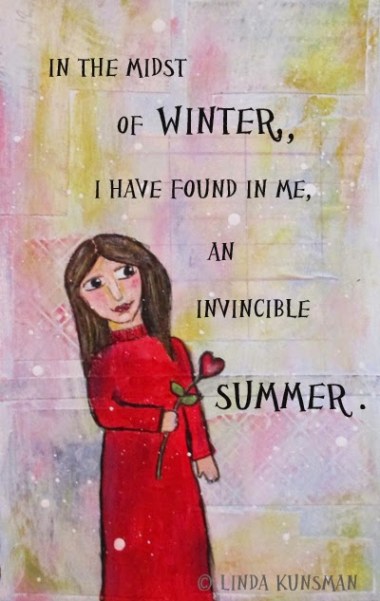
 haved so oddly for so long that I had only one friend left. She didn’t last a year after we both started work. She got fed up with my depressions, my self-hatred and my new solution –alcohol.
 Then two unexpected things happened. First I fell in love with a woman, not for the first time. Second, I went crazy.
 Finally the meds kicked in, after two weeks of indescribable suffering. I had a shower, got dressed, started doing the shopping for the family, doing the crossword, going out. My sister would say to me ‘come on zombie’, not unkindly, and take me for a walk, like a silent and dejected dog. I wasn’t happy, but I was functioning.
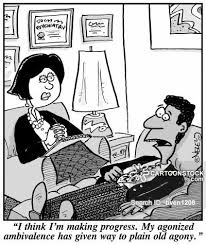 Luckily, therapy helped. I started to do more, go swimming, go for walks on my own, encouraged by my therapist. Then I took a trip that changed my life. It took all of half an hour, from where my parents lived in the ‘burbs to my old university in the middle of the city.
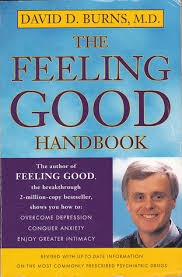
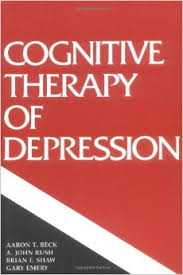 Next I read Cognitive Therapy of Depression and started using the thinking and behavioral techniques it taught. I fired my lovely neo-Freudian therapist and signed on with a clinical psychologist. Then something amazing happened.
 So that’s the end of my story. I was cured and have been happy ever since.
 I staggered through to my 30th birthday having one relapse after another. Even in the good patches I wasn’t as happy as I had been after my big breakdown. I was starting to suspect that tricyclic antidepressants and Cognitive-Behavioral Therapy (CBT) were not the cures they were touted to be. I was starting to suspect I’d need more.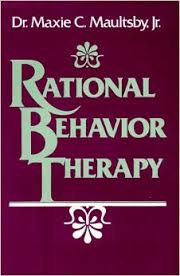


 he things that used to work didn’t work anymore. I was back to driving while screaming and crying, back to dangerously longing to kill myself, back to calling emergency helplines in desperation and fear I would try again to take my own life.
 Except that it didn’t happen. Somehow all those years of trying things out, monitoring my moods, adding new tools to the toolkit, and using the tools that worked best for me on a daily to weekly basis had made me almost bullet proof. I had lost a lot, but I retained my most precious possession – happiness.
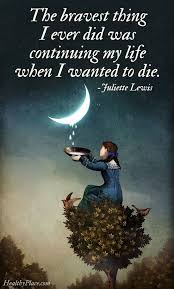 I had the odd scary day when I desperately, dangerously longed for death. But again, I did all the things that worked for me, and those days passed too. But most of the time I was happy, even when I was bedridden for days on end.
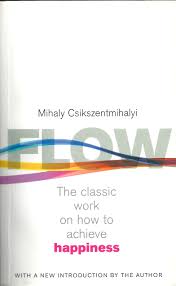
 I developed a Suicide Prevention Plan where I identified triggers and stressful situations, listed warning signs and what I would do about them, and signed off on it with my therapist, doctor, friends and family.
